
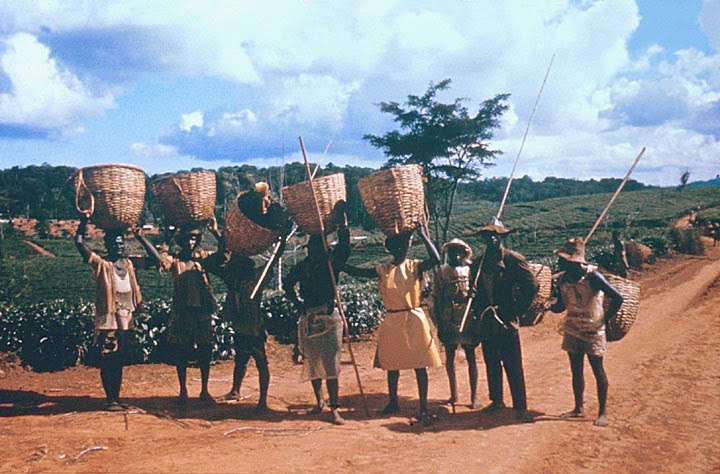
Description
📘 Topic 4: Development of Agriculture in Pre-Colonial African Societies – Form 1 Study Guide
Discover How Early African Societies Cultivated Crops, Kept Livestock, and Built Thriving Communities
🌾 What Is This Topic About?
This topic explores the development of agriculture in pre-colonial African societies. It covers the meaning of agriculture, the factors that influenced agricultural practices, the three main types of agriculture (shifting cultivation, permanent cultivation, and pastoralism), and how the development of agriculture transformed human lives — leading to population growth, specialisation, trade, and the rise of urban centres.
✅ What You’ll Learn Inside
🔹 Introduction to Agriculture
Definition – The activity involving cultivating crops and keeping livestock
Origins – Began at the end of the Late Stone Age after human beings improved their tools of production
Key Influencing Factors:
Environment – Natural world including land, water bodies, forests, mountains, and man-made features
Example: Bananas and wheat in high rainfall areas; sorghum and millet in savannah areas
Technology – Practical application of science in making tools
Example: Progress from stone tools to iron tools like hoes and axes
🔹 Types of Agricultural Practices in Pre-Colonial Africa
By 1700 CE, pre-colonial African societies had developed three main types of agricultural practices:
1. Shifting Cultivation
Definition – A system involving the movement of farmers from one place to another when soil fertility is exhausted
Environment – Common in savannah areas with long dry seasons
Process – Clear and burn bushes; cultivate for a few years; move to new land; old land left to fallow
Crops Grown – Mainly grains like sorghum, millet, and finger millet
Settlement Pattern – Temporary settlements
2. Permanent Cultivation
Definition – A system where farmers cultivate the same piece of land continuously for a long period
Environment – Common in fertile areas like river valleys, lake basins, and highland areas
Key Feature – Techniques used to maintain soil fertility
Settlement Pattern – Permanent settlements, sometimes growing into urban centres and trading towns
Examples of Agricultural Techniques in Tanzania:
Terracing – Nyakyusa, Shambaa, Sukuma, and Nyamwezi terraced hillsides
Irrigation Furrows – Chagga, Pare, and Shambaa dug furrows from rivers and streams
Manure – Chagga, Pare, and Shambaa used composite and animal manure; also Ukerewe and Ukara Islands
Banks and Mounds – Buganda, Buhaya, and Ufipa made banks for yams and potatoes
3. Pastoralism
Definition – Keeping and grazing livestock
Livestock Kept – Cattle, goats, sheep, camels, and donkeys
Environment – Arid, semi-arid, and savannah areas with little rainfall
Uses of Livestock:
Food: Meat, milk, and blood
Materials: Hides and skins for clothing
Transport: Camels and donkeys
Wealth: Source of wealth and prestige
Social Value: Paying dowry (e.g., Lobola among Zulu, Xhosa, Swazi, Shona, Ndebele)
Types of Pastoralists:
Nomadic Pastoralists – Move constantly in search of water and pasture
Examples: Maasai (Tanzania/Kenya), Tuaregs (North Africa), Fulani (Nigeria), Somali (Somalia/Kenya), Karamojong (Uganda)
Sedentary Pastoralists – Keep livestock in one location
Examples: Khoikhoi and San (southern Africa), some Maasai and Samburu (East Africa), some Fulani (West Africa)
4. Mixed Farming
Definition – A type of agriculture that combines animal keeping and crop cultivation
Environment – Areas with heavy rainfall, grasslands with seasonal rainfall, and woodland savannah
Examples in Tanzania – Gogo, Nyaturu, Nyiramba, Sukuma, Nyamwezi, and Pare
Grew bananas, yams, beans, cereals; kept cattle, sheep, goats, donkeys
Sukuma and Nyamwezi kept short-horned zebu cattle
Examples Elsewhere in Africa:
Central Africa: Rwozi practised mixed farming with irrigation and terracing
West Africa: Hausa, Yoruba, Ewe, Ashanti, Nupe, and Igbo
🔹 Ways Agriculture Changed the Lives of Human Beings
Increased Food Production – More reliable and abundant food supply
Population Increase – Steady food supply led to population growth
Emergence of Leadership – Need to solve conflicts over land, water, and pastures
Rise of Specialisation – Surplus food allowed people to specialise in iron smithing, basketry, pottery, and trade
Development of Trade and Urban Centres – Exchange relations led to trading posts that grew into urban centres
Examples: Taghaza, Bilma, Taoden, and Niamey in West Africa
🎯 Key Features
10 Clear Summary Points for quick revision
5 Short-Answer Questions to test understanding
5 Structured Questions for deeper analysis
5 Essay Questions for critical thinking and exam preparation
Real Tanzanian Examples throughout — Chagga, Pare, Shambaa, Nyakyusa, Sukuma, Nyamwezi, Maasai, Gogo, Nyaturu
Comparison Tables for shifting cultivation, permanent cultivation, pastoralism, and mixed farming
Detailed Explanation of agricultural techniques (terracing, irrigation furrows, manure, banks and mounds)
Focus on the Impact of Agriculture on social and political organisation
👨🎓 Who Is This For?
Form 1 Students beginning their secondary history course
Teachers looking for a well-structured, ready-to-use teaching resource
Parents supporting their children’s learning at home
Anyone preparing for national examinations (NECTA)
💡 Why Choose This Guide?
✔ Aligned with the Tanzanian secondary school syllabus
✔ Written in clear, simple English for easy comprehension
✔ Packed with local examples students can relate to
✔ Includes practice questions with varying difficulty levels
✔ Perfect for classroom teaching, self-study, and revision
✔ Covers cross-topic connections (links to Topics 1, 2, and 3)
📥 Get Your Copy Today!
Whether you’re a student aiming for top marks, a teacher preparing engaging lessons, or a parent investing in your child’s academic success — Topic 4: Development of Agriculture in Pre-Colonial African Societies is your essential companion for understanding how early African societies cultivated crops, kept livestock, and built thriving communities.
Start exploring the roots of African agriculture today!
MITIHANI POPOTE — Quality educational resources wherever you are.




Reviews
There are no reviews yet.