
Description
INTERACTIONS IN PRE-COLONIAL AFRICA – FORM 2 NOTES
Topic 01: Interactions in Pre-Colonial Africa
Form 2 History Notes – Comprehensive & Exam-Focused
📘 OVERVIEW
This comprehensive set of notes covers Interactions in Pre-Colonial Africa – a core topic in Form 2 History. It is carefully structured to help students understand how different African communities came into contact, influenced one another, and shaped the continent’s social, political, and economic landscape before colonisation.
✨ WHAT THIS DOCUMENT COVERS
1. Meaning and Forms of Interaction
Clear definition of interaction
Forms: trade, intermarriage, linguistic exchange, sharing of ideas and technology
Key drivers: socio-cultural, political, and economic factors
2. Socio-Cultural Factors
Movement of people (temporary and permanent)
Crimes and exile
Food shortages and interdependence
3. Political Factors
Wars of expansion (e.g., the Baganda)
The Mfecane
Political alliances (e.g., East African coast and Oman)
4. Economic Factors
Uneven resource distribution
Development of trade networks (Long-Distance Trade, Trans-Saharan Trade)
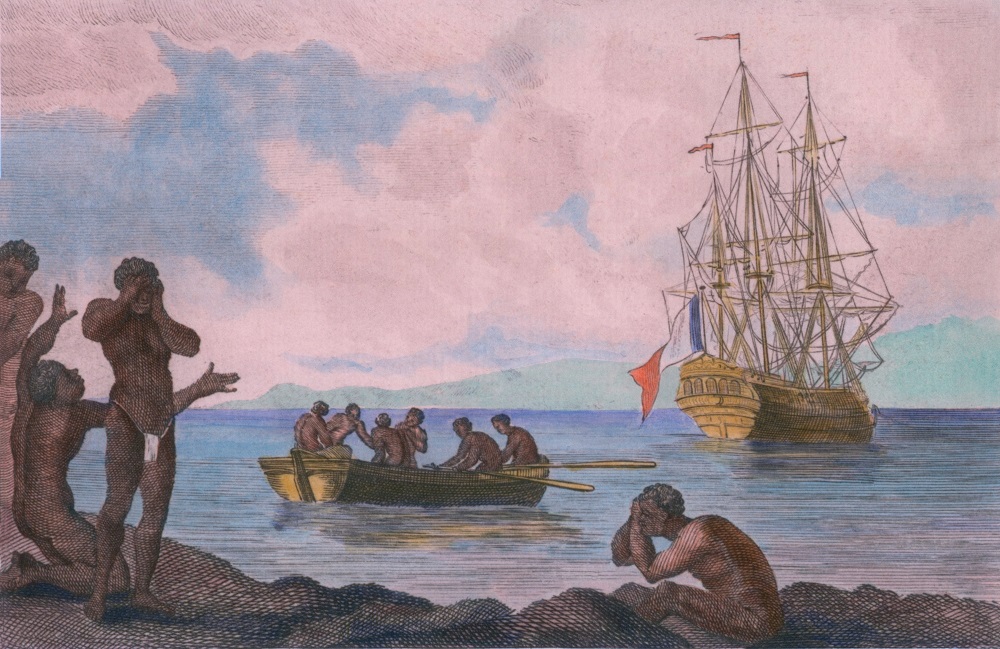
Continental and global links (Trans-Atlantic Slave Trade)
5. Interactions in Different Regions of Pre-Colonial Africa
Indian Ocean Islands: Zanzibar, Madagascar, Comoros, Seychelles – trade, monsoon winds, Islam, Swahili culture
Southern Africa: Bantu migration, Indian Ocean trade, Great Zimbabwe, the Mfecane, the Ngoni Migration
Eastern Africa: Swahili coast trade, religious and cultural exchanges, Bantu and Nilotic migrations
Western Africa: Trans-Saharan Trade, Ghana/Mali/Songhai empires, Islamic scholarship, art and architecture
Northern Africa: Mediterranean trade, Arab conquests, Islamisation, inter-ethnic relations
6. The Ngoni Migration (In-Depth)
Background and causes
Routes and settlement in Tanzania (Tuta, Gwangwara, Maseko)
Reasons for Ngoni success
Social, political, and economic effects
7. Effects of Interactions
Growth of towns and trade centres
Spread of agricultural skills
Loss of cultural identity
Emergence of new languages (e.g., Kiswahili)
Formation of new social relationships
Rise and growth of states
8. Summary Points
10 concise revision points for quick recall
9. Assessment Questions
A. Short Answer Questions (5)
B. Structured Questions (5)
C. Essay Questions (5) – 20 marks each
🎯 WHY THIS RESOURCE IS PERFECT FOR YOU
✅ Well-Organised – Content is broken down into clear, digestible sections
✅ Exam-Focused – Includes short answer, structured, and essay questions
✅ Comprehensive – Covers all regions: Indian Ocean Islands, Southern, Eastern, Western, and Northern Africa
✅ Student-Friendly – Simple language with detailed explanations
✅ Revision-Ready – Summary points and practice questions for self-testing
✅ Teacher-Approved – Ideal for classroom use, homework, and exam preparation
📚 WHO IS THIS FOR?
Form 2 Students studying History
Teachers preparing lesson notes and assessments
Parents supporting their children’s learning
Anyone interested in African history and pre-colonial interactions
🛒 GET YOUR COPY TODAY!
This is a must-have resource for anyone serious about mastering Form 2 History. Whether you’re revising for exams or teaching in class, these notes will save you time and help you achieve excellent results.
MITIHANI POPOTE — Quality educational resources wherever you are.




Reviews
There are no reviews yet.