
Description
EARLY CONTACTS BETWEEN AFRICA, THE MIDDLE EAST AND THE FAR EAST – FORM 2 NOTES
Topic 02: Early Contacts Between Africa, the Middle East and the Far East
Form 2 History Notes – Comprehensive & Exam-Focused
📘 OVERVIEW
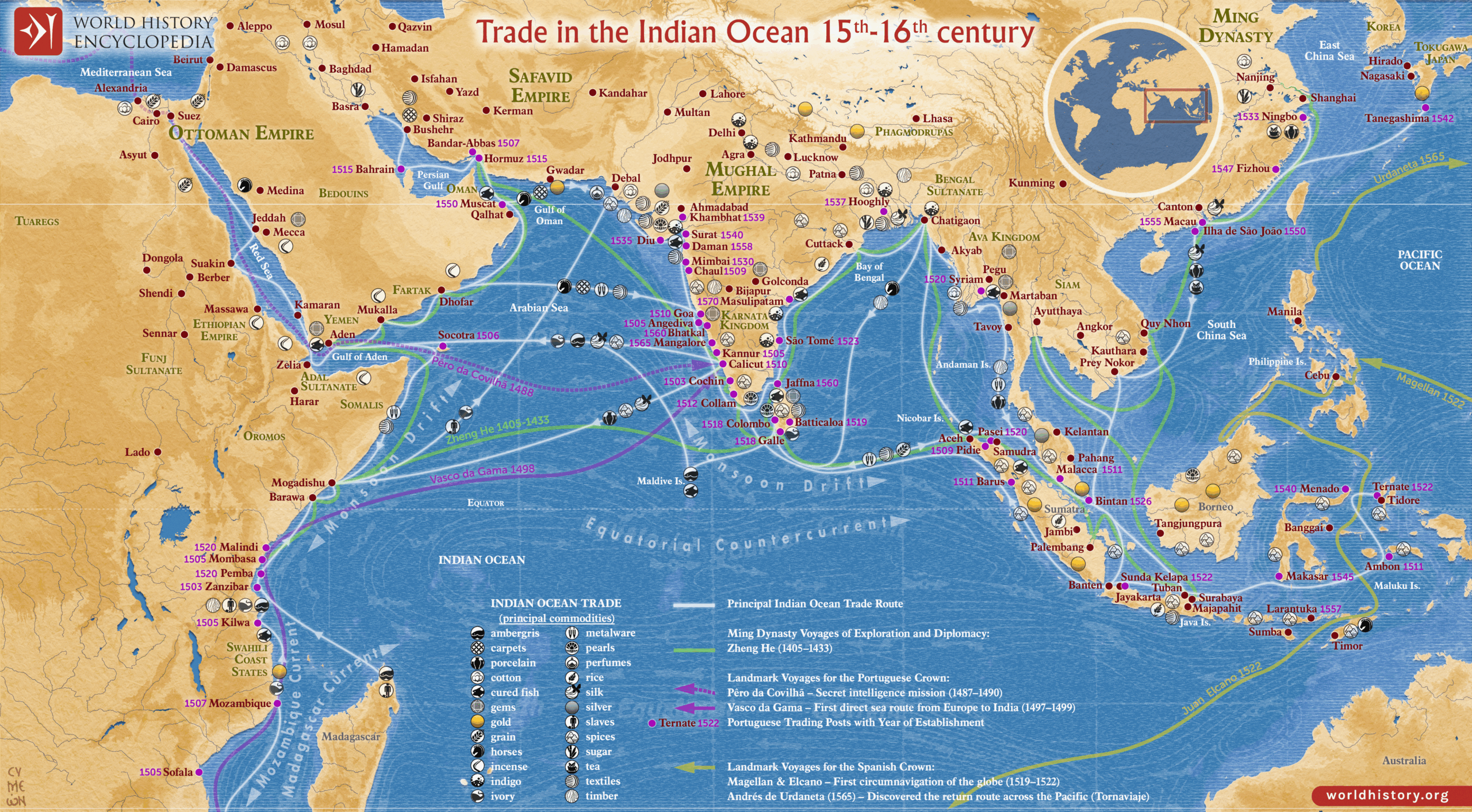
This comprehensive set of notes covers Early Contacts Between Africa, the Middle East and the Far East – a core topic in Form 2 History. It explores the historical interactions between the East African coast and traders from Arabia, Persia, India, China, and Southeast Asia, highlighting the economic, social, political, and cultural transformations that shaped the Swahili world and beyond.
✨ WHAT THIS DOCUMENT COVERS
1. Meaning and Background
Definition of early contacts
Timeframe: First millennium BCE through the pre-colonial period
Key Graeco-Roman documents:
Periplus of the Erythrean Sea (1st century CE)
Ptolemy’s Geography (2nd–4th centuries CE)
Christian Topography (6th century CE) by Cosmas Indicopleustes
Role of Monsoon Winds:
Northeast Monsoon (November–April)
Southeast Monsoon (May–October)
Use of dhows for maritime travel
2. Motives for the Early Contacts
Trade (Primary Motive): Exchange of goods, rise in trade volume by 8th century, Arab dominance (10th–14th centuries), Al-Masudi’s accounts
Religion: Spread of Islam through preaching, trade, and Jihad; influence on governance in Kilwa, Mombasa, Mali, and Songhai
Exploration and Adventure: Ibn Battuta, Al-Idrisi, Leo Africanus
3. Conditions that Facilitated the Early Contacts
Established trade routes and key ports (Sofala, Mogadishu, Malindi, Kilwa)
Abundance of valuable goods (gold, ivory, animal skins, slaves)
The Monsoon Winds
Advancements in marine technology (dhows)
The rise of Islam (7th century)
Political stability (Mali Empire, Sultanate of Oman)
4. Major Commodities Exchanged
Exports from East Africa: Ivory, gold, slaves, animal skins and hides, tortoise shells
Imports into East Africa: Cotton and silk clothes, beads, porcelain, metal tools, weapons, cowrie shells, glass, carpets, wine, textiles, spices
5. Effects of the Early Contacts
Social and Cultural Effects:
Intermarriage and mixed-race population
Emergence of Kiswahili and Swahili culture
Spread of Islam
Growth of coastal city-states
Political Effects:
Rise of new political entities (Swahili city-states)
Integration into a global system
Strengthening of local rulers and interior traders (Nyamwezi, Kamba, Yao)
Economic Effects:
Economic prosperity
Integration of the interior
Shift in trade patterns
Unequal exchange and exploitation
6. Summary Points
10 concise revision points for quick recall
7. Assessment Questions
A. Short Answer Questions (5)
B. Structured Questions (5)
C. Essay Questions (5) – 20 marks each
🎯 WHY THIS RESOURCE IS PERFECT FOR YOU
✅ Well-Organised – Content is broken down into clear, digestible sections
✅ Exam-Focused – Includes short answer, structured, and essay questions
✅ Comprehensive – Covers motives, facilitators, commodities, and effects
✅ Student-Friendly – Simple language with detailed explanations
✅ Revision-Ready – Summary points and practice questions for self-testing
✅ Teacher-Approved – Ideal for classroom use, homework, and exam preparation
📚 WHO IS THIS FOR?
Form 2 Students studying History
Teachers preparing lesson notes and assessments
Parents supporting their children’s learning
Anyone interested in African history and early global interactions
🛒 GET YOUR COPY TODAY!
This is a must-have resource for anyone serious about mastering Form 2 History. Whether you’re revising for exams or teaching in class, these notes will save you time and help you achieve excellent results.
MITIHANI POPOTE — Quality educational resources wherever you are.




Reviews
There are no reviews yet.