
Description
ACIDS, BASES, AND SALTS — FORM 2 STUDY NOTES (PDF)
Master Acids, Bases, and Salts with This Complete, Exam-Ready Study Guide!
Are you a Form 2 student, teacher, or exam candidate looking for a clear, detailed, and well-organized resource on Acids, Bases, and Salts? This professionally compiled PDF study guide, “CHAPTER FIVE: ACIDS, BASES, AND SALTS F2,” is exactly what you need to understand every concept — from the definition and properties of acids and bases to the pH scale, indicators, salt preparation, types of salts, and their uses in daily life.
📘 WHAT’S INSIDE?
This comprehensive resource covers the entire Form 2 Acids, Bases, and Salts syllabus, including:
✅ Acids
Definition: A substance that produces hydrogen ions (H⁺) in water
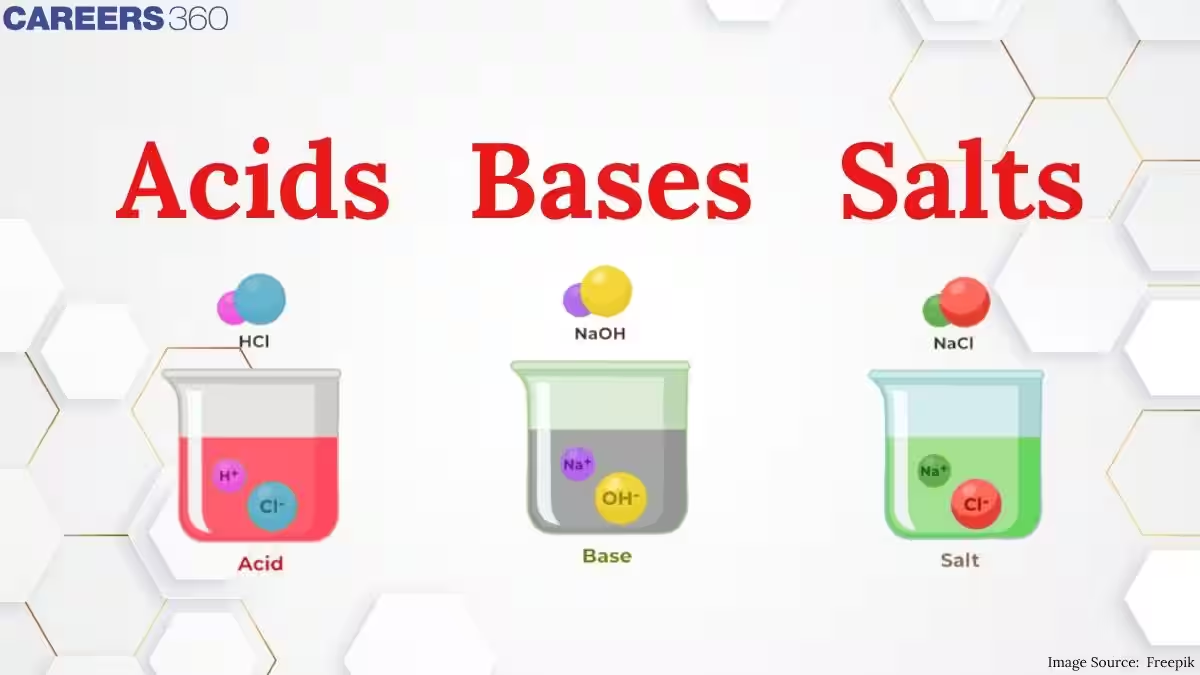
2D Diagram of Acid Dissociation — HCl in water: HCl(aq) → H⁺(aq) + Cl⁻(aq)
KEY POINT: Acids produce H⁺ ions in aqueous solution
Natural Acids and Sources:
Citric acid — Citrus fruits (lemons, oranges)
Lactic acid — Sour milk, cheese
Acetic acid — Vinegar
Tartaric acid — Grapes, bananas, tamarind
Oxalic acid — Spinach, tomatoes
Formic acid — Bee/ant stings
Ascorbic acid — Fruits, vegetables
Types of Acids:
MINERAL ACIDS (Inorganic): Hydrochloric acid (HCl), Sulfuric acid (H₂SO₄), Nitric acid (HNO₃), Carbonic acid (H₂CO₃), Phosphoric acid (H₃PO₄)
ORGANIC ACIDS: Ethanoic acid (CH₃COOH), Methanoic acid (HCOOH), Citric acid, Lactic acid
Properties of Acids:
Physical Properties: Sour taste, soluble in water, conduct electricity (as electrolytes), corrosive, pH < 7 Chemical Properties: Turn blue litmus paper RED, react with metals → Salt + Hydrogen, react with carbonates → Salt + Water + CO₂, react with bases → Salt + Water 2D Diagram: Blue Litmus Test for Acid — Acid turns blue litmus paper RED; acid does NOT change red litmus paper Reaction of Acid with Metal: Acid + Metal → Salt + Hydrogen 2D Diagram of experimental set-up (gas evolved, bubbles of gas) Test for Hydrogen Gas: Place a lighted splint at the mouth of test tube → "POP" sound = Hydrogen gas present Equation: Zn + 2HCl → ZnCl₂ + H₂ Acid Strength: STRONG ACIDS: Ionise completely in water (HCl → H⁺ + Cl⁻, 100% ionisation; HNO₃, H₂SO₄; pH values: 0–2; good conductors of electricity) WEAK ACIDS: Ionise partially in water (CH₃COOH ⇌ H⁺ + CH₃COO⁻, partial ionisation; H₂CO₃, Citric acid, Lactic acid; pH values: 4–6; poor conductors of electricity) Basicity of Acids: Hydrochloric acid (HCl) — Monobasic — 1 H⁺ ion ✅ Bases Definition: A base is a substance that neutralises an acid. Soluble bases are called alkalis. Types of Bases: Metal Oxides: Na₂O, K₂O, CaO, MgO, CuO Metal Hydroxides: NaOH, KOH, Ca(OH)₂, Mg(OH)₂, NH₄OH Metal Carbonates: Na₂CO₃, K₂CO₃, MgCO₃, CaCO₃ SOLUBLE BASES (Alkalis): NaOH, KOH, Na₂O, K₂O, Na₂CO₃, K₂CO₃ INSOLUBLE BASES: CuO, Fe₂O₃, Cu(OH)₂, PbO, PbCO₃ 2D Diagram: Red Litmus Test for Base — Base turns red litmus paper BLUE; base does NOT change blue litmus paper Properties of Bases: Physical Properties: Bitter taste, soapy/slippery feel, most are insoluble in water, corrosive Chemical Properties: pH > 7, turn red litmus paper BLUE, react with acids → Salt + Water, react with ammonium salts → Ammonia gas, precipitate hydroxides from salt solutions
✅ pH Scale
pH Scale Diagram (0 to 14):
0–2: Strong Acids
3–6: Weak Acids
7: Neutral (Water)
8–11: Weak Bases
12–14: Strong Bases
ACIDIC REGION: pH < 7 NEUTRAL: pH = 7 BASIC REGION: pH > 7
Common pH Values
✅ Acid-Base Indicators
Natural Indicators:
Litmus — Red in acid, Blue in base
Hibiscus — Red in acid, Greenish-yellow in base
Red cabbage — Pink in acid, Green in base
Turmeric — Yellow in acid, Red-brown in base
Onion — Smell remains in acid, Smell disappears in base
Synthetic Indicators:
Phenolphthalein — Colourless in acid, Pink in base (pH range: 8–10)
Methyl Orange — Red in acid, Yellow in base (pH range: 3–5)
Methyl Red — Yellow in acid, Red in base (pH range: 5–8)
Universal — Various pH, Various pH (pH range: 0–14)
✅ Salts
Definition: A salt is an ionic compound made up of cations (positive ions) and anions (negative ions)
Types of Salts:
NORMAL SALTS: Replace all H⁺ ions in acid (Example: NaCl, Na₂SO₄, NaNO₃)
ACIDIC SALTS: Still contain replaceable H⁺ ions (Example: NaHCO₃ — sodium hydrogencarbonate)
BASIC SALTS: Still contain OH⁻ ions (Example: Mg(OH)Cl — basic magnesium chloride)
DOUBLE SALTS: Made of two different cations (Example: KAl(SO₄)₂·12H₂O — potassium alum)
HYDRATED SALTS: Contain water of crystallisation (Example: CuSO₄·5H₂O — blue copper sulfate)
ANHYDROUS SALTS: Without water of crystallisation (Example: CuSO₄ — white copper sulfate)
✅ Preparation of Salts
Methods Summary:
Soluble salts (Na⁺, K⁺, NH₄⁺) — Neutralisation (acid + alkali)
Soluble salts (other metals) — Acid + metal, Acid + insoluble base, Acid + carbonate
Insoluble salts — Precipitation (double decomposition)
Anhydrous salts — Direct combination of elements
2D Diagram: Titration for Salt Preparation — Mix acid and base (without indicator), Evaporate water, Crystallise to obtain salt
Precipitation Method: Mix solutions of two soluble salts, Filter the precipitate, Wash with distilled water, Dry the precipitate
Other Examples:
BaCl₂ + Na₂SO₄ → BaSO₄(s) + 2NaCl
Pb(NO₃)₂ + 2KI → PbI₂(s) + 2KNO₃
CaCl₂ + Na₂CO₃ → CaCO₃(s) + 2NaCl
✅ Uses of Acids, Bases, and Salts
Uses of Acids:
Hydrochloric acid — Cleaning metals, leather processing, swimming pools, making chlorides
Sulfuric acid — Removing rust, making fertilizers, batteries, making sulfates
Nitric acid — Making fertilizers, explosives, nylon, metal cleaning
Uses of Bases:
Sodium hydroxide — Soaps, detergents, cleaning, electroplating
Calcium hydroxide — Soil treatment, water treatment, making ammonia
Magnesium hydroxide — Antacids, pH control in food industry
Potassium hydroxide — Alkaline batteries, soaps, paint removers
Ammonia — Fertilizers, refrigerants, water purification
Uses of Salts in Daily Life:
FOOD AND NUTRITION: Table salt (NaCl) — seasoning and preservation; Iodized salt — prevents goitre
AGRICULTURE: Fertilizers, soil treatment, animal feed supplements
🎯 WHY CHOOSE THIS STUDY GUIDE?
✔ Exam-Focused — Aligned with the Form 2 Chemistry syllabus
✔ Comprehensive — Covers every subtopic in detail
✔ Easy to Understand — Clear explanations, diagrams, and tables
✔ Practical — Includes litmus tests, hydrogen gas test, pH scale, indicators, and salt preparation methods
✔ Time-Saving — All notes in one organized PDF
✔ Perfect for Revision — Acid/base properties, indicator colours, pH ranges, salt types, and preparation methods clearly summarized
👥 WHO IS THIS FOR?
Form 2 students studying Chemistry
Teachers preparing lesson notes, schemes of work, and examinations
Candidates revising for national exams (FTNA, CSEE)
Anyone interested in understanding acids, bases, salts, and their applications
📥 GET YOUR COPY TODAY!
Don’t waste time searching through multiple textbooks. This all-in-one study guide gives you everything you need to master Acids, Bases, and Salts — clearly, concisely, and completely.
Download now and start scoring higher in Chemistry!
MITIHANI POPOTE — Quality educational resources wherever you are.





Reviews
There are no reviews yet.