
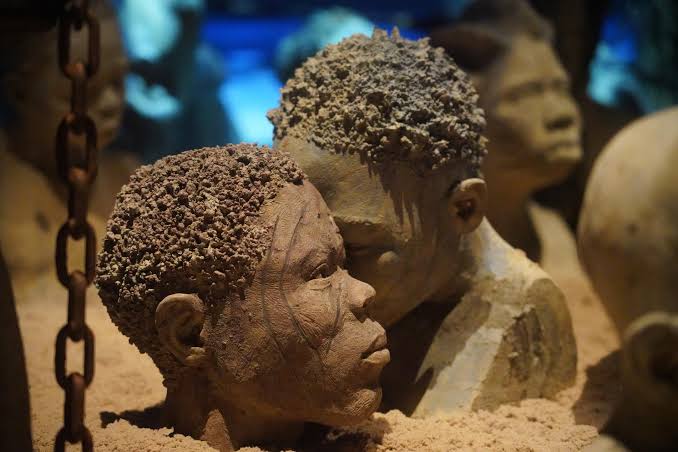
Description
THE SLAVE TRADE FROM THE 15TH TO THE 19TH CENTURY – FORM 2 NOTES
Topic 04: The Slave Trade from the 15th to the 19th Century
Form 2 History Notes – Comprehensive & Exam-Focused
📘 OVERVIEW
This comprehensive set of notes covers The Slave Trade from the 15th to the 19th Century – a core topic in Form 2 History. It examines the origins, development, organisation, and devastating effects of both the Trans-Atlantic and East African slave trades, highlighting how this global system transformed African societies and set the stage for colonialism.
✨ WHAT THIS DOCUMENT COVERS
1. Background to the Development of the Slave Trade
Definition of slave trade
Scope: Trans-Atlantic and Indian Ocean (East African) slave trades
Origins of slavery in Africa (pre-existing forms of servitude)
Transformation by Arab and European traders
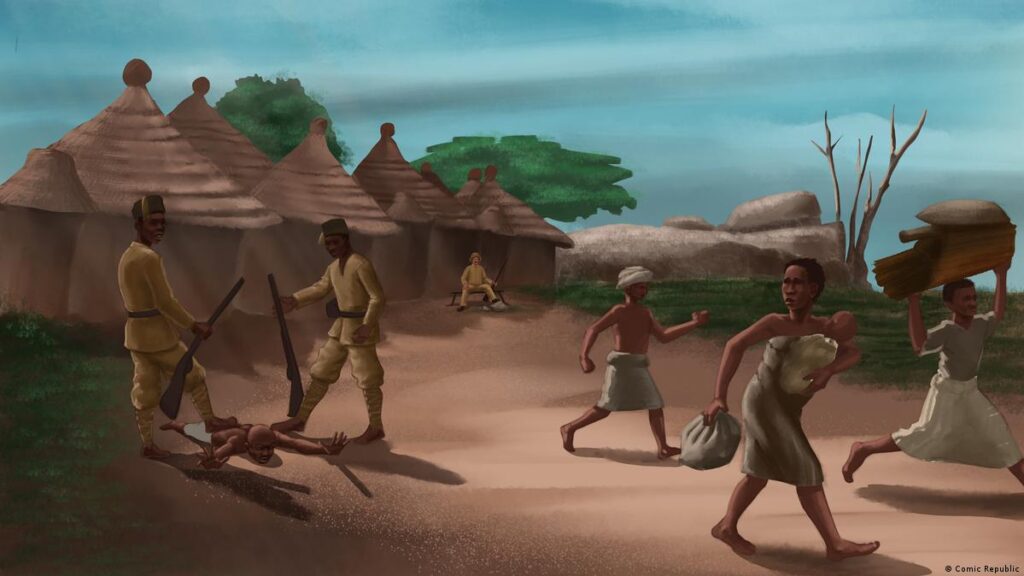
Techniques used to obtain slaves:
Warfare
Raids
Ambush
Trickery/Deception
Kidnapping
Judicial processes
2. Origins and Development of the Trans-Atlantic Slave Trade
Background: Discovery of the Americas (1492), plantation economy
The labour problem and the search for a solution:
Failure of indigenous American labour
Failure of European indentured labour
Failure of Asian labour
Solution: African slave labour
The Triangular Trade:
First Leg: Europe to Africa (manufactured goods)
Second Leg: Africa to Americas (Middle Passage)
Third Leg: Americas to Europe (cash crops and minerals)
Key roles: Africa, Americas, Europe
3. The East African Slave Trade
Background and expansion:
Fall of Portuguese rule
Demand from French islands (Mauritius, Réunion, Mayotte, Madagascar)
Demand from Brazil
Expansion of the ivory trade
Role of Sultan Seyyid Said of Oman
Local demand
The Zanzibar Commercial Empire:
Definition and role in the slave trade
Key ports: Kilwa, Bagamoyo, Zanzibar
4. Effects of the Slave Trade
Effects of the Trans-Atlantic Slave Trade on Africa:
Economic: Depopulation, underdevelopment, decline of traditional industries, unequal exchange, decline of Trans-Saharan trade
Social: Loss of population, breakdown of families and communities, increased warfare, sense of inferiority
Political: Decline of some states, rise of militaristic states, instability
Effects of the East African Slave Trade:
Socio-cultural: Spread of Islam, spread of Kiswahili, depopulation, psychological trauma
Economic: Integration into global economy, growth of plantation agriculture, growth of caravan trade centres, economic decline in the interior
Political: Rise of strong leaders (Mirambo, Nyungu-ya-Mawe), destabilisation
5. Summary Points
10 concise revision points for quick recall
6. Assessment Questions
A. Short Answer Questions (5)
B. Structured Questions (5)
C. Essay Questions (5) – 20 marks each
🎯 WHY THIS RESOURCE IS PERFECT FOR YOU
✅ Well-Organised – Content is broken down into clear, digestible sections
✅ Exam-Focused – Includes short answer, structured, and essay questions
✅ Comprehensive – Covers both Trans-Atlantic and East African slave trades
✅ Student-Friendly – Simple language with detailed explanations
✅ Revision-Ready – Summary points and practice questions for self-testing
✅ Teacher-Approved – Ideal for classroom use, homework, and exam preparation
📚 WHO IS THIS FOR?
Form 2 Students studying History
Teachers preparing lesson notes and assessments
Parents supporting their children’s learning
Anyone interested in African history and the global slave trade
🛒 GET YOUR COPY TODAY!
This is a must-have resource for anyone serious about mastering Form 2 History. Whether you’re revising for exams or teaching in class, these notes will save you time and help you achieve excellent results.
MITIHANI POPOTE — Quality educational resources wherever you are.




Reviews
There are no reviews yet.