
Description
CULTURAL VALUES AND LIFE SKILLS – HISTORY F4
Topic 02: Cultural Values and Life Skills
Form 4 History Notes | Comprehensive & Exam-Focused
📘 OVERVIEW
This comprehensive set of notes covers Cultural Values and Life Skills – a core topic in Form 4 History. It is carefully structured to help students understand the promotion and preservation of cultural values, the challenges facing these efforts in Tanzania, the culture of caring for personal and public property, and the promotion of essential life skills for daily living.
✨ WHAT THIS DOCUMENT COVERS
1. Introduction to Cultural Values and Life Skills
Overview: Cultural values have implications in life skills
The values cherished by society determine the kind of life skills in that society
2. Promotion and Preservation of Cultural Values
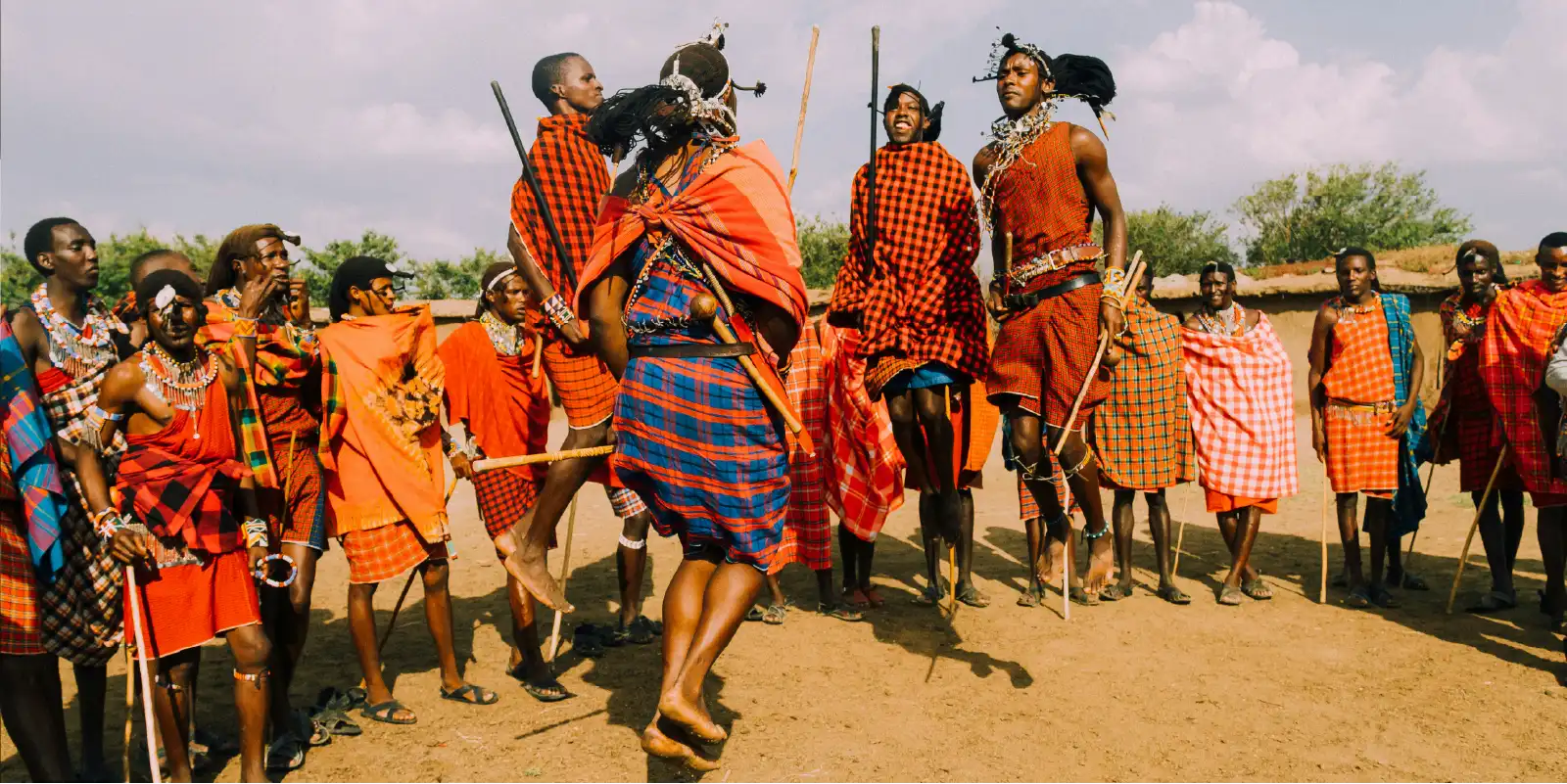
Meaning of Cultural Values: Constructs or a set of expectations of how people are supposed to live in a certain society
Types of Cultural Values: Individualist cultures, Communitarian cultures
Principles of Utu (Ubuntu) in African Context: Life, Peace, Freedom, Justice, Equality, Compassion, Unity, Sharing, Cooperation, Self-reliance, Development
Best Way to Promote and Preserve: Socialisation (process through which people learn the values and norms of a society)
3. Importance of Promoting and Preserving Cultural Values
Identity
Foundation of Society
Basis of Right and Wrong
Minimise Segregation
4. Role of Institutions in Promoting and Preserving Cultural Values in Tanzania
Agents of Socialisation:
(a) The Family
(b) Education Institutions
(c) Workplaces
(d) The Government
(e) Peer Groups
(f) Mass Media
5. Challenges Facing Promotion and Preservation of Cultural Values in Tanzania
Colonial Legacy:
Belief that African Cultural Values are Primitive
Inferiority Complex
Lack of Pride in African Origin
Globalisation: Development of science, information, and communication technologies
Lack of Awareness: Many young Africans are not well informed about their cultural values
Shortage of Financial Resources: Promotion and preservation of cultural values is expensive
6. Ways of Mitigating Challenges
Decolonise the African Mind through education
African Learning Process
Restore Self-Confidence
Promote Best Values
Enact Policies
7. Culture of Caring and Maintenance of Personal and Public Property
Meaning: Process and system of planning, maintaining, and monitoring social and cultural arrangements
Importance of Property Maintenance: Properties need to be maintained so they can be used for a long time
Personal/Private Property: Houses, furniture, cooking utensils, cars, machines
Public Property: Roads, bridges, electricity poles, schools, government offices, buildings
Development of Culture of Caring: Built and passed on to all members of society
Case Study: Munira (school prefect for environment at Azimio Secondary School in Zanzibar)
8. Importance of Culture of Caring and Maintenance of Properties
Safety and Protection
Cost Reduction
Tourism
Restoration
Environmental Conservation
9. Consequences of Neglecting Timely Repair and Maintenance of Property
Property Damage
Low Productivity
Accidents, Injuries, and Deaths
Negative Cultural Impression
Disappearance of Important Historical Sites and Structures
10. Promotion of Life Skills
Meaning of Life Skills: Set of basic skills acquired through learning and direct life experience
Categories of Life Skills:
(a) Cognitive Skills (Mental Skills)
(b) Intrapersonal Skills (Self-Management Skills)
(c) Interpersonal Skills
Case Study: Kisura (peer pressure and alcohol)
Case Study: Mpole and Mhale (resilience after failing exams)
11. Application of Life Skills
Use of mental capacity to achieve successful individual life
Methods used to understand, control, or solve different social, political, economic, and cultural problems
12. NECTA-Style Questions for Chapter Two
Section A: Multiple Choice Questions (Q1–Q10) with answer key
Section B: Matching Questions
Section C: Short Answer Questions
Section D: Essay Questions (Q1–Q19)
Section E: Case Study Questions
Section F: Activity-Based Questions
13. Key Terms Glossary for Chapter Two
🎯 WHY THIS RESOURCE IS PERFECT FOR YOU
✅ Well-Organised – Content is broken down into clear, digestible sections
✅ Exam-Focused – Includes NECTA-style multiple choice, matching, short answer, essay, case study, and activity-based questions
✅ Comprehensive – Covers cultural values, socialization, property maintenance, and life skills
✅ Student-Friendly – Simple language with detailed explanations and real-life examples from Tanzanian communities
✅ Revision-Ready – Summary points, glossary, and practice questions for self-testing
✅ Teacher-Approved – Ideal for classroom use, homework, and exam preparation
📚 WHO IS THIS FOR?
Form 4 Students studying History
Teachers preparing lesson notes and assessments
Parents supporting their children’s learning
Anyone interested in cultural values, socialisation, and life skills
🛒 GET YOUR COPY TODAY!
This is a must-have resource for anyone serious about mastering Form 4 History. Whether you’re revising for exams or teaching in class, these notes will save you time and help you achieve excellent results.
MITIHANI POPOTE — Quality educational resources wherever you are.



Reviews
There are no reviews yet.