
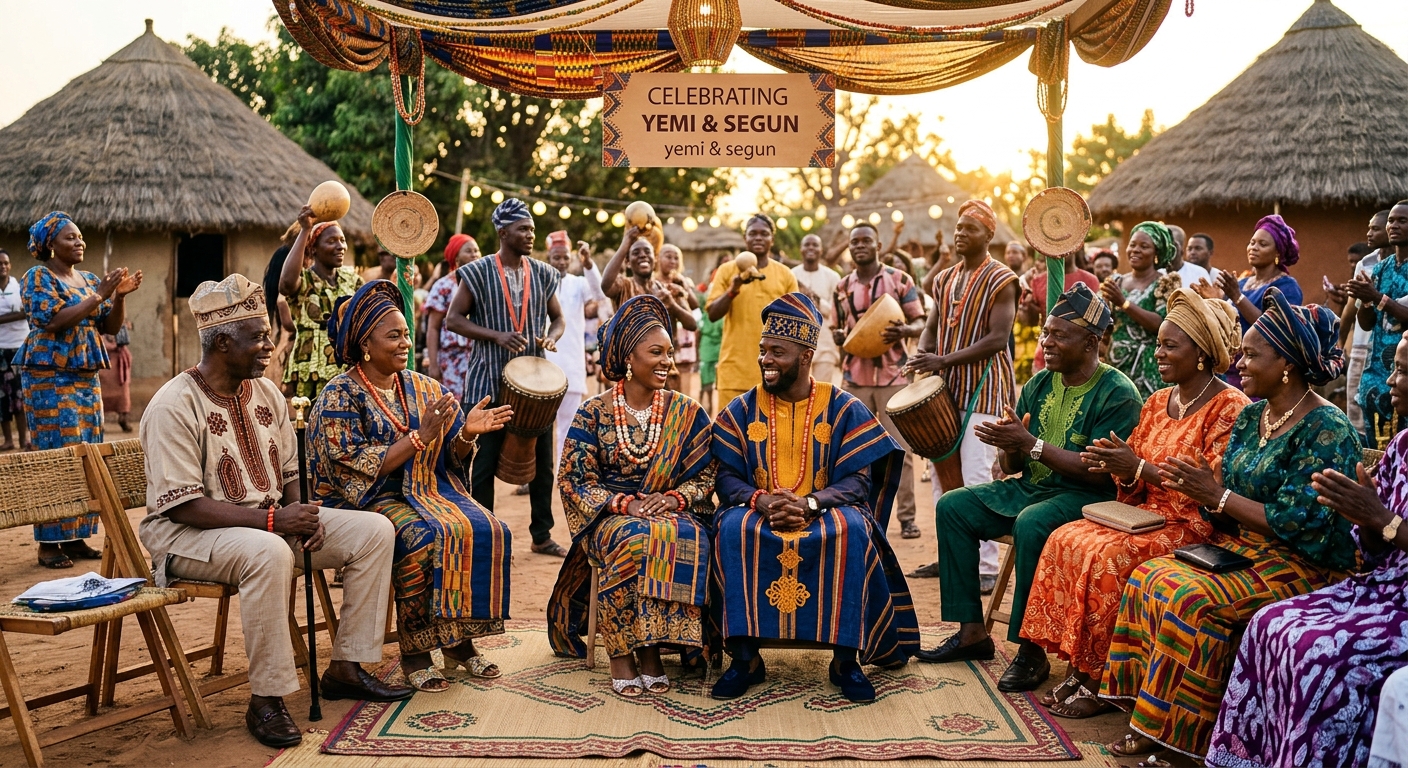
Description
MARRIAGE IN AFRICAN CULTURE – HISTORY F4
Topic 04: Marriage in African Culture
Form 4 History Notes | Comprehensive & Exam-Focused
📘 OVERVIEW
This comprehensive set of notes covers Marriage in African Culture – a core topic in Form 4 History. It is carefully structured to help students understand the meaning, types, purposes, and motives of marriage, the relationship between courtship and marriage, the causes and problems of early marriages, and the foundations of stable marriages in African societies.
✨ WHAT THIS DOCUMENT COVERS
1. Introduction to Marriage
Overview: Marriage as a universal social institution
One of the basic social institutions that ensures survival and sustainability of any society
2. Meaning of Marriage
Definition: A voluntary, legally and socially authorised union of a man and a woman
Key Characteristics: Regulated by laws, rules, customs, beliefs, and attitudes; prescribes rights and duties; accords rights to offspring; intended to last for life; can end due to death, annulment, or divorce
3. Types of Marriage
(a) Religious Marriages: Officiated by clerics, according to religious laws (Islamic and Christian)
(b) Civil Marriages: Performed, recorded, and recognised by a government official (District Commissioner’s office); requires a 21-day announcement; three groups of people involved; certificate signed
(c) Customary Marriages: Negotiated, celebrated, or concluded according to indigenous African customary laws
(i) Consanguineous Marriages (Cousin Marriage)
(ii) Elopement Marriages (e.g., Kutegula among Zigua)
(iii) Sororate Marriages
(iv) Woman Marriage (e.g., Nyumba-ntobu among Kurya of North Mara)
(v) Levirate Marriage (e.g., Tero in Mara region)
4. Motives of Marriage
(a) Religious Motives: Happiness, purity, eternal life; procreation; mutual love and support
(b) Biological Motives: Physical characteristics (skin colour, face, height, age, sex identity, beauty, body structure)
(c) Social, Economic, and Political Motives: Economic security, social identity and status, exclusive sexual partner, public recognition, survival of state, clan, and family
(d) Psychological Motives: Emotional attachment, reassurance of worth, guidance and moral support, love, care, and alliance
5. Relationship Between Courtship and Marriage
Key points: Inseparably connected, marriage presupposes courtship, courtship serves as a bridge to marriage
Similarities: Love, respect, obedience, trust
Progression: Successful courtship leads to stable marriage
Responsibilities: Parents/guardians, partners, self-evaluation
6. Early Marriages
Definition: Marriage officiated before the legal age of marriage (premature or child marriage)
Customs and Beliefs That Encourage Early Marriages:
(a) Payment of Dowry
(b) Gender Discrimination in Education
(c) Initiation Rites
(d) Inheritance
(e) Poverty
(f) Perception of Marriage as Safeguard Against Pre-Marital Sex (e.g., ndoa ya mkeka)
Problems Associated with Early Marriage:
Complications During Delivery
Conflicts
Increase of Street Children
Increased Poverty
Exposure to Domestic and Sexual Violence
Exposure to STIs, HIV and AIDS
Measures to Mitigate Early Marriages:
Provision of Education and Self-Awareness Skills
Eliminating Negative Socio-Cultural Practices
Effective Enforcement of Rules and Laws
Poverty Alleviation
7. Foundations of Stable Marriages
Definition: A long-term lived relationship between a husband and wife
How to Achieve Stability: Discussions, tolerance, confession, acceptance, transparency, respect, consent, compromise
Key Foundations: Consent, Love, Trust, Tolerance and Understanding, Transparency, Respect
8. Key Summary Points
Types of Marriage (Religious, Civil, Customary)
Customary Marriage Types (Consanguineous, Elopement, Sororate, Woman Marriage, Levirate)
Motives of Marriage (Religious, Biological, Social/Economic/Political, Psychological)
Early Marriage (Causes, Problems, Solutions)
Stable Marriage Foundations
9. NECTA-Style Questions for Chapter Four
Section A: Multiple Choice Questions (Q1–Q10) with answer key
Section B: Matching Questions
Section C: Short Answer Questions (Q1–Q16)
Section D: Essay Questions (Q1–Q15)
Section E: Case Study Questions (4 case studies)
Section F: Activity-Based Questions
10. Key Terms Glossary for Chapter Four
🎯 WHY THIS RESOURCE IS PERFECT FOR YOU
✅ Well-Organised – Content is broken down into clear, digestible sections
✅ Exam-Focused – Includes NECTA-style multiple choice, matching, short answer, essay, case study, and activity-based questions
✅ Comprehensive – Covers all aspects of marriage, from meaning and types to motives, early marriage, and stable marriage foundations
✅ Student-Friendly – Simple language with detailed explanations and real-life examples from African communities
✅ Revision-Ready – Summary points, glossary, and practice questions for self-testing
✅ Teacher-Approved – Ideal for classroom use, homework, and exam preparation
📚 WHO IS THIS FOR?
Form 4 Students studying History
Teachers preparing lesson notes and assessments
Parents supporting their children’s learning
Anyone interested in African culture, marriage traditions, and social institutions
🛒 GET YOUR COPY TODAY!
This is a must-have resource for anyone serious about mastering Form 4 History. Whether you’re revising for exams or teaching in class, these notes will save you time and help you achieve excellent results.
MITIHANI POPOTE — Quality educational resources wherever you are.



Reviews
There are no reviews yet.