
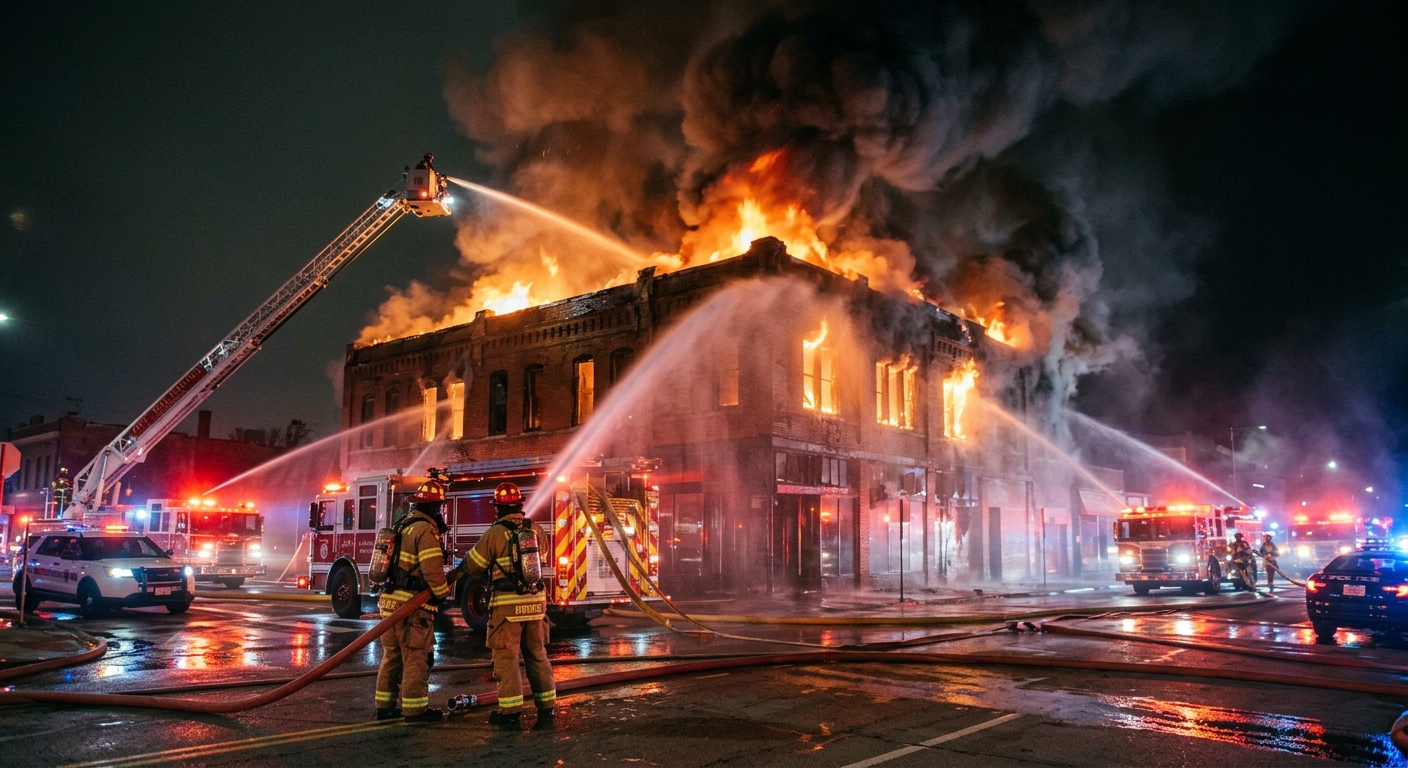
Description
📘 Form One Chemistry Notes – Fire, Firefighting and Flames: Fire Triangle, Classes of Fire, Fire Extinguishers, Bunsen Burner & Flame Types | NECTA-Aligned Study Guide PDF
Master fire safety and flames the simple, exam-ready way — from the fire triangle and fire classes to the Bunsen burner and luminous vs. non-luminous flames.
Written specifically for Tanzanian Form One students, this Chemistry study guide covers the Fire, Firefighting and Flames topic in clear, structured notes. From the definition of fire and the fire triangle to fire extinguishers, the PASS method, and flame types — every concept is explained with examples drawn from Tanzanian life, including charcoal stoves in Mwanza, bushfires in Tabora, petrol stations in Dar es Salaam, and hurricane lamps in Lindi and Rukwa.
✨ What’s Inside
✅ Fire:
Clear definition of fire and combustion
The Fire Triangle — Heat, Oxygen, Fuel (with definition and examples)
Fuels in Tanzania — Wood, Charcoal, Kerosene, Petrol, Diesel, Natural Gas, Coal
Real Tanzanian Examples: Charcoal stove in Mwanza, Bushfire in Tabora, Gas cooker in Dar es Salaam
✅ Firefighting:
Definition of firefighting and fire extinguisher
Classification of Fires (Classes A, B, C, D, F) — full table with burning materials, appropriate extinguishers, and Tanzanian examples
Fires Caused by Electricity — why water must NEVER be used
Portable Fire Extinguishers — composition and suitability (APW, Dry Chemical, CO₂, Wet Chemical)
PASS Method — Pull, Aim, Squeeze, Sweep (step-by-step table)
Precautions — distance, fire blanket, CO₂ frost burns
Fire Brigade Contacts in Tanzania — Dar es Salaam, Mwanza, Arusha (114 or 112)
Diagrams: Portable fire extinguishers and parts of a flame (inner, middle, outer zones)
✅ Flames:
Definition of flame and factors affecting colour and temperature
Luminous vs. Non-Luminous Flame — full comparison table (colour, oxygen, combustion, soot, heat, light, sound, safety)
How the Bunsen Burner Works — 4-step process
Flame Types Based on Air Hole Position — Closed, Partly open, Fully open
Parts of a Luminous Flame (4 parts) and Parts of a Non-Luminous Flame (3 parts)
Characteristics Comparison Table
Uses of Luminous Flame — lighting, safety flame, tin lamps, hurricane lamps
Uses of Non-Luminous Flame — heating, flame tests (sodium, calcium, potassium, copper), welding, cooking
Burning Back (Striking Back) — what it is and how to correct it
Diagrams: Luminous flame with soot, Non-luminous flame without soot, Bunsen burner labelled parts
✅ Summary — 10 key takeaways
✅ Practice Questions — Section A (Short Answer), Section B (Structured), and Section C (Essay) with 30 questions total
🎯 Perfect For
Form One students studying Chemistry
NECTA exam preparation and revision
Teachers looking for ready-made teaching material
Parents helping their children study at home
Anyone who wants to understand fire safety and laboratory flames
📥 How It Works
Purchase the notes
Download instantly (PDF)
Print it or study on any phone, tablet, or computer
⚠️ Please Note
This is a digital product (PDF). No physical book will be shipped.
🔑 Keywords
Form One Chemistry, NECTA notes, Fire, Firefighting and Flames, fire triangle, heat, oxygen, fuel, combustion, fuels in Tanzania, charcoal, kerosene, petrol, diesel, LPG, firefighting, fire extinguisher, classes of fire, Class A, Class B, Class C, Class D, Class F, electrical fires, PASS method, Pull Aim Squeeze Sweep, fire brigade Tanzania, luminous flame, non-luminous flame, Bunsen burner, barrel, collar, air holes, jet, gas inlet, burning back, striking back, flame tests, sodium flame, calcium flame, potassium flame, copper flame, Tanzanian secondary school notes, Form 1 study guide, Chemistry PDF, NECTA revision


Reviews
There are no reviews yet.