
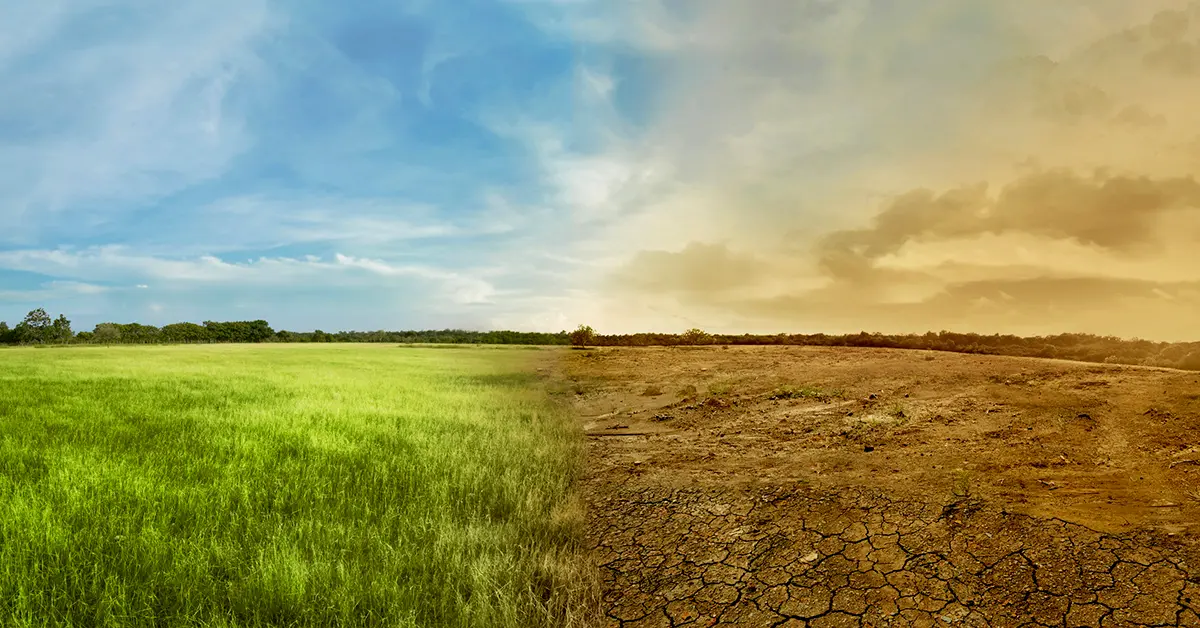
Description
📘 Chapter Four: Weather and Climate – Form 1 Study Guide
Understand the Atmospheric Conditions That Shape Our Daily Lives and Long-Term Environments
🌦️ What Is This Chapter About?
This chapter explores the atmospheric conditions that shape our daily lives and long-term environments. It distinguishes between weather and climate, examines the elements that constitute them, explains how these elements are measured, and describes the various climatic types and their relationship with human activities.
✅ What You’ll Learn Inside
🔹 Weather
Definition – The condition of the atmosphere at a particular place and time, recorded over a short period
The Atmosphere – The layer of gases surrounding the earth
Importance of Weather:
Agriculture (rainfall determines crop and livestock distribution)
Planning (transport, sports, farming)
Lifestyle (clothing, housing)
Ecology (migration of people and animals)
Pollination and soil formation
Negative Effects – Floods, drought, storms/hurricanes, hailstones/frost
Tanzania Example – Seasonal rains trigger the wildebeest migration in the Serengeti
🔹 Elements of Weather
Sunshine – Measured with a Campbell-Stokes Sunshine Recorder
Temperature – Measured with a Thermometer; lines joining equal temperatures are Isotherms
Factors affecting temperature: Altitude (Lapse Rate: 0.6°C per 100 m), ocean currents, distance from the sea, latitude, wind, cloud cover, aspect, length of day
Example: Snow on Mount Kilimanjaro due to lapse rate
Humidity – Measured with a Hygrometer; lines joining equal humidity are Isohumids
Types: Absolute and Relative Humidity
Precipitation – Rain, snow, hail, sleet, dew, mist, fog
Types of Rainfall:
Convectional – Common in tropical areas, afternoon thunderstorms
Relief (Orographic) – Windward side gets rain, leeward side is a rain shadow
Cyclonic (Frontal) – Warm air meets cool air
Factors affecting rainfall: Ocean currents, distance from equator, prevailing winds, water bodies, distance from sea, altitude, human activities, forest cover
Importance and negative effects of precipitation
Wind – Air in motion from high to low pressure
Local Winds: Sea breeze, land breeze, mountain and valley winds
Planetary Winds: Trade winds, Mid-Latitude Westerlies, Polar Easterlies
Importance of wind
Atmospheric Pressure – Measured with a Barometer; lines joining equal pressure are Isobars
Factors: Altitude, temperature, earth’s rotation
Pressure Belts: Equatorial Low (Doldrums), Sub-Tropical High (Horse Latitudes), Sub-Polar Low, Polar High
Cloud Cover – Measured in Oktas; lines joining equal cloud cover are Isonephs
Types: High, Middle, Low, and Great Vertical Extent clouds
🔹 Weather Station and Instruments
Stevenson Screen – White, louvered wooden box at 121 cm
Weather Instruments:
Thermometer (Maximum, Minimum, Six’s)
Hygrometer (humidity)
Rain Gauge (rainfall in mm)
Barometer (pressure in mb)
Wind Vane (wind direction)
Anemometer (wind speed in km/h)
Campbell-Stokes Sunshine Recorder (sunshine duration)
Temperature Calculations – Daily range, mean daily, monthly range, mean monthly, annual range, mean annual
Temperature Conversion – °C to °F and °F to °C
Weather Forecasting – Traditional and modern methods; importance for farmers, fishermen, tourism, and disaster preparedness
🔹 Climate
Definition – Average weather conditions over 30+ years
Factors Determining Climate – Latitude, tilt of earth’s axis, land and sea distribution, ocean currents, altitude, topography, prevailing winds, vegetation
Weather vs. Climate – Similarities and differences (time period, change, forecasting, area, study)
Types of Climate and Human Activities:
Equatorial – High temp, heavy rainfall (Congo Basin, Amazon)
Tropical (Savannah) – Distinct wet and dry seasons (East Africa, Tanzania)
Desert – Very hot days, cold nights, low rainfall (Sahara, Arabian Desert)
Mediterranean – Hot dry summers, mild rainy winters (Mediterranean Basin, Cape Province)
Tundra – Very cold, low precipitation, permafrost (Northern Canada, Northern Asia)
🎯 Key Features
10 Clear Summary Points for quick revision
5 Short-Answer Questions to test understanding
10 Structured Questions for deeper analysis
5 Essay Questions for critical thinking and exam preparation
Real Tanzanian Examples throughout — Mount Kilimanjaro, Serengeti migration, Dar es Salaam rainfall, Usambara and Pare Mountains, Lake Victoria
Diagrams and Tables for easy comprehension
Step-by-Step Calculations for temperature
👨🎓 Who Is This For?
Form 1 Students beginning their secondary geography course
Teachers looking for a well-structured, ready-to-use teaching resource
Parents supporting their children’s learning at home
Anyone preparing for national examinations (NECTA)
💡 Why Choose This Guide?
✔ Aligned with the Tanzanian secondary school syllabus
✔ Written in clear, simple English for easy comprehension
✔ Packed with local examples students can relate to
✔ Includes practice questions with varying difficulty levels
✔ Perfect for classroom teaching, self-study, and revision
✔ Covers cross-topic connections (links to Chapters 1, 2, and 3)
📥 Get Your Copy Today!
Whether you’re a student aiming for top marks, a teacher preparing engaging lessons, or a parent investing in your child’s academic success — Chapter Four: Weather and Climate is your essential companion for mastering the atmosphere and its impact on our world.
Start understanding the weather and climate today!
📚 Also Available:
Chapter One: The Concept of Geography
Chapter Two: The Solar System
Chapter Three: Major Features of the Earth’s Surface
The perfect companions to build a strong foundation in geography.
MITIHANI POPOTE — Quality educational resources wherever you are.




Reviews
There are no reviews yet.