
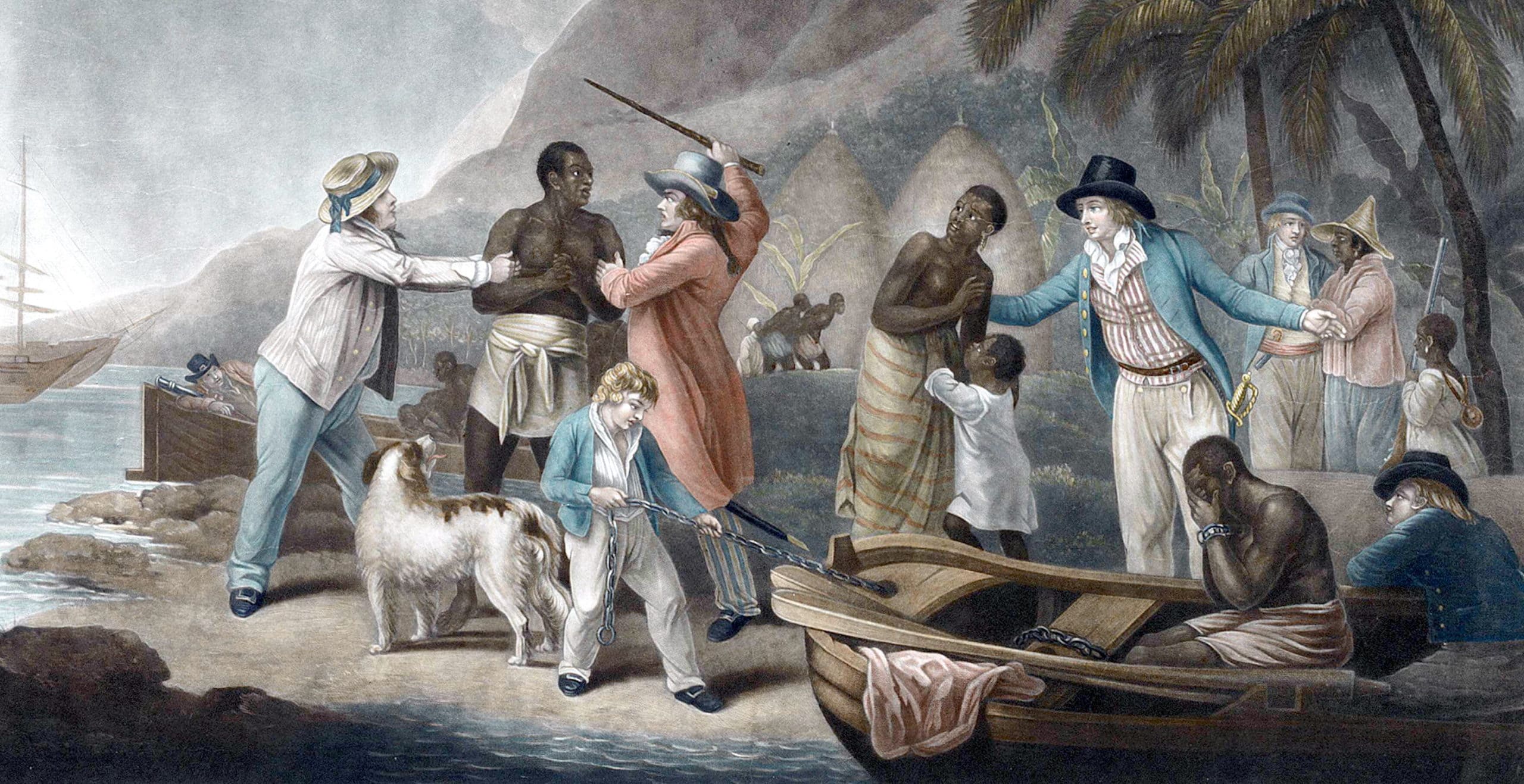
Description
ABOLITION OF SLAVERY AND THE SLAVE TRADE – FORM 2 NOTES
Topic 05: Abolition of Slavery and the Slave Trade
Form 2 History Notes – Comprehensive & Exam-Focused
📘 OVERVIEW
This comprehensive set of notes covers The Abolition of Slavery and the Slave Trade – a core topic in Form 2 History. It examines the economic and humanitarian forces that drove the abolition movement, the key treaties and laws that ended the trade, the techniques used to enforce abolition, and the complex effects on African societies and the wider world.
✨ WHAT THIS DOCUMENT COVERS
1. Meaning of Abolition of Slave Trade
Definition and scope
Key actors: European abolitionists, American activists, African resistance, economic changes from the Industrial Revolution
2. Reasons for Abolishing the Slave Trade
Economic Reasons:
The Industrial Revolution (need for wage labour, raw materials, and markets)
Shift in economic interests (rising costs, declining profitability)
Growth of the United States (competition for raw materials)
Legal developments in the USA (1807 Act, 1863 Emancipation Proclamation, 1865 13th Amendment)
Humanitarian Reasons:
Religious and moral campaigns (Quakers, Christian missionaries)
Abolitionist movements and activists:
British: William Wilberforce, Granville Sharpe, Thomas Clarkson, Anti-Slavery Society (1823)
Former slaves and writers: Olaudah Equiano
American: Frederick Douglass, Harriet Tubman, Sojourner Truth
3. Events and Laws in the Abolition Process
Abolition in East Africa:
The Moresby Treaty (1822)
The Hamerton Treaty (1845)
The Frere Treaty (1873) – closed the Zanzibar slave market
Abolition in West Africa and the British Empire:
The Abolition of the Slave Trade Act (1807)
The West African Squadron
The Slavery Abolition Act (1833)
Treaties with African rulers (King Pepple of Bonny, Fante Confederation)
Establishment of Freed Slave Settlements:
Freetown, Sierra Leone (1791)
Liberia (1822)
4. Techniques Used to Abolish Slave Trade
Use of African informers (e.g., Efik people of Calabar)
Signing treaties with African rulers
Naval patrols (West African Squadron, Indian Ocean patrols)
Diplomatic pressure
Economic alternatives (“legitimate trade” in palm oil, groundnuts, rubber)
5. Effects of Abolishing Slave Trade
Economic Effects:
Decline of slave-dependent states
Rise of legitimate trade (King Jaja of Opobo)
Economic disruption
Unequal exchange
Political Effects:
Weakening of some kingdoms (Dahomey, Oyo)
European justification for colonization
Rise of new leaders
Social Effects:
Creation of new communities (Sierra Leone, Liberia)
Spread of Christianity and Western education
Continuation of forced labour
Racial discrimination
Long-Term Effects on Africa:
Vulnerability to colonialism
Transformation of African economies
Diaspora connections
6. Summary Points
10 concise revision points for quick recall
7. Assessment Questions
A. Short Answer Questions (5)
B. Structured Questions (5)
C. Essay Questions (5) – 20 marks each
🎯 WHY THIS RESOURCE IS PERFECT FOR YOU
✅ Well-Organised – Content is broken down into clear, digestible sections
✅ Exam-Focused – Includes short answer, structured, and essay questions
✅ Comprehensive – Covers economic, humanitarian, legal, and social dimensions
✅ Student-Friendly – Simple language with detailed explanations
✅ Revision-Ready – Summary points and practice questions for self-testing
✅ Teacher-Approved – Ideal for classroom use, homework, and exam preparation
📚 WHO IS THIS FOR?
Form 2 Students studying History
Teachers preparing lesson notes and assessments
Parents supporting their children’s learning
Anyone interested in African history and the global abolition movement
🛒 GET YOUR COPY TODAY!
This is a must-have resource for anyone serious about mastering Form 2 History. Whether you’re revising for exams or teaching in class, these notes will save you time and help you achieve excellent results.
MITIHANI POPOTE — Quality educational resources wherever you are.




Reviews
There are no reviews yet.