
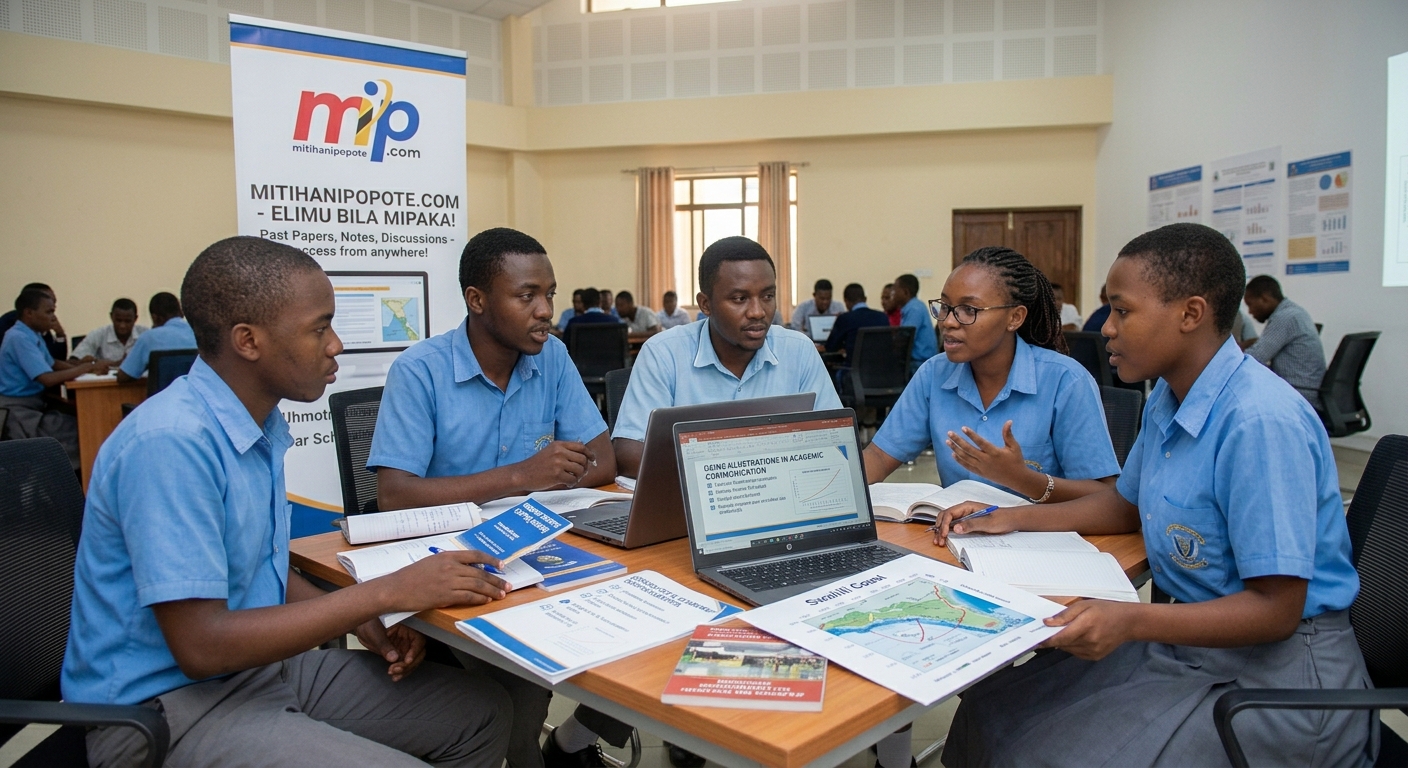
Description
Using Illustrations in Academic Communication F5 — Complete Study Guide
Master Simple and Complex Illustrations, Interpretation, Preparation, and Ethical Use — From Charts to Infographics with Confidence!
Struggling with illustrations in academic communication? Confused by simple vs. complex illustrations, interpretation steps, preparation strategies, or ethical considerations? This comprehensive Using Illustrations in Academic Communication F5 study guide is your ultimate solution — breaking down every concept into clear, step-by-step lessons that make visual communication simple and exam-ready.
📘 What You Get
This well-structured 23-page resource covers the entire Illustrations in Academic Communication syllabus for Form Five, transforming complex concepts into practical, easy-to-understand skills.
✅ Topics Covered:
Introduction to Illustrations — Definition, importance, and the competence developed
Identifying Simple and Complex Illustrations — Characteristics, examples, and roles of each
Interpreting Illustrations — Basic steps, key elements (shape, colour, proportion, space, pattern, texture, message), and importance
Preparing Illustrations in Academic Documents — Basic strategies and detailed explanations (purpose, audience, information gathering, format selection, design, creation)
Criteria for Using Illustrations — Creating effective illustrations, ensuring clarity and accuracy, including labels and subtitles, and consistency in style
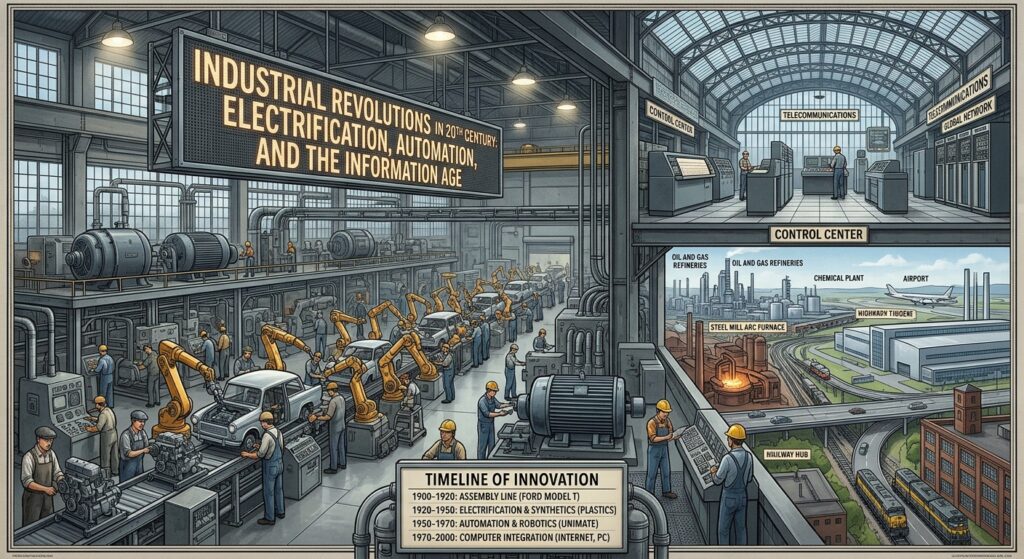
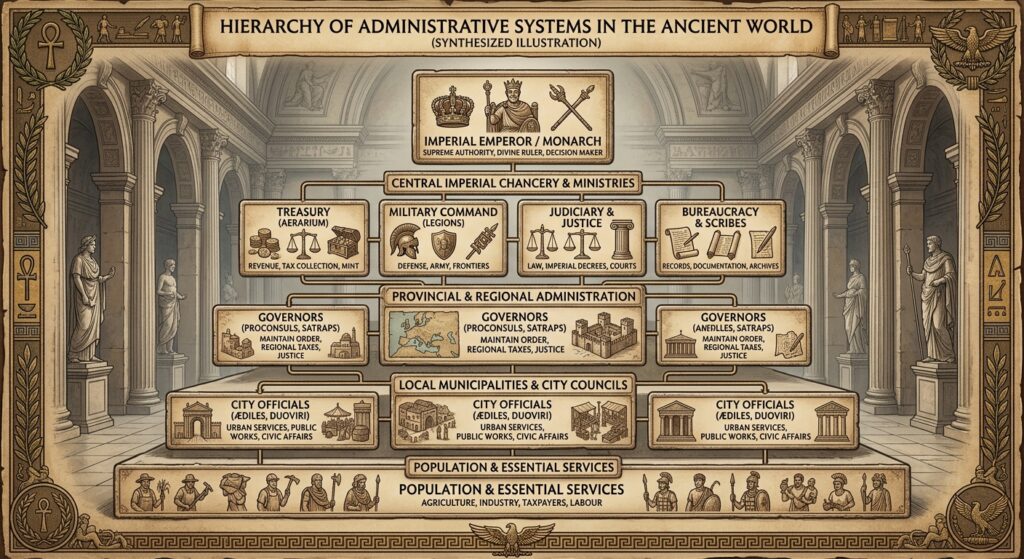
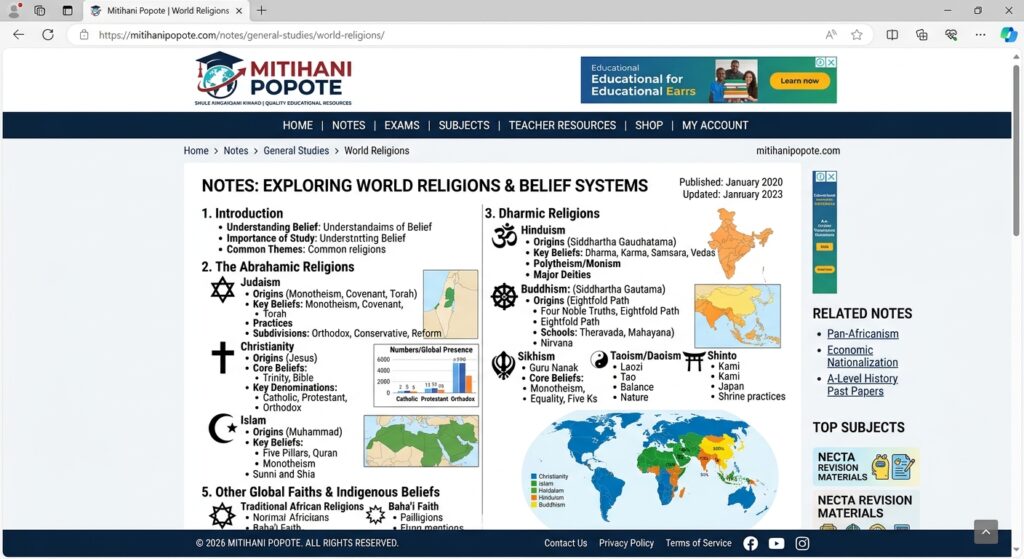
Using Illustrations in Academic Presentations — Role, types (slides, charts, graphs, diagrams, maps, photographs, infographics, videos, cartoons), best practices, integrating with text, and common mistakes
Advanced Concepts — Visual literacy, role of illustrations in learning (cognitive theory, dual coding theory, multimedia learning, constructivist theory), types of data visualization (bar chart, line graph, pie chart, scatter plot, histogram, heat map, tree map, network diagram), ethical considerations, digital tools, and the future of illustrations
✅ Learning Features:
Step-by-step explanations for every illustration concept
Clear tables and examples — characteristics, interpretation steps, preparation strategies, visual formats, and more
Practical examples — figure analysis, caption writing, and description
Comparison tables — simple vs. complex illustrations, effective vs. ineffective practices
Practice exercises — identify illustrations, interpret figures, create illustrations, and design posters
Revision questions — multiple choice, short answer, and essay questions
Practical exercises — analyse textbook illustrations, create simple and complex illustrations, design a poster, and evaluate illustrations in an academic document
🎯 Who Is This For?
Form Five and Six students preparing for national exams (NECTA standard)
Teachers looking for a ready-made teaching resource
Self-learners who want to master illustrations in academic communication at their own pace
Anyone needing a quick refresher on visual aids, interpretation, preparation, and ethical use of illustrations
💡 Why Choose This Guide?
✔ Well-arranged and easy to follow — no confusing jumps between topics
✔ Exam-focused — covers exactly what you need to know
✔ Practical examples — learn by seeing how illustrations are interpreted and prepared
✔ Clear tables and summaries — all concepts and techniques in one place
✔ Visual literacy focus — master interpretation, preparation, and ethical use
✔ Compact yet comprehensive — all key concepts in one document
✔ Affordable and accessible — quality education at your fingertips
📥 Get Your Copy Today!
Don’t let illustrations in academic communication hold you back. With this guide, you’ll approach every chart, graph, diagram, and infographic with confidence and precision.
Perfect for exam preparation, classroom teaching, and independent study.


Reviews
There are no reviews yet.