
Description
Pan-Africanism – Comprehensive Study Guide (Form Five History)
Master the History, Ideas, and Impact of Pan-Africanism — From Slavery to the African Union
This expertly structured study guide breaks down one of the most important and examinable topics in African history into clear, digestible, and highly organized sections. Whether you are preparing for national examinations, revising for class tests, or simply seeking a deeper understanding of Africa’s journey toward unity, this guide is your essential companion.
📖 What’s Inside
1.1 The Concept of Pan-Africanism
Clear definition and meaning of Pan-Africanism
Origins and key founders (Edward Wilmot Blyden and Henry Sylvester Williams)
Core objectives and importance of the movement
Real-world example: Tanzania’s role under Mwalimu Julius K. Nyerere
1.2 Slavery and Pan-Africanism (15th–19th Centuries)
Definitions of slavery, slave trade, and the Triangular Trade
Reasons for European preference for African labour
African experiences in the New World: political, social, and economic problems
Liberation struggles: Palmares (Brazil), Haiti (Toussaint L’Ouverture), and the USA (Emancipation Proclamation)
Real example: Bagamoyo and Zanzibar as major slave trading hubs
1.3 Black Solidarity and the Back-to-Africa Movement
Definition and objectives of Black Solidarity
Marcus Mosiah Garvey’s Back-to-Africa Movement
Achievements and challenges faced by the movement
Ideological differences between Marcus Garvey and W.E.B. Du Bois
1.4 Pan-Africanism from 1900 to 1960 (Conferences)
The London Conference (1900) – where the term “Pan-Africanism” was coined
The Manchester Conference (1945) – the turning point
The Accra Conference (1958) – the first conference on African soil
Key resolutions and historical significance of each conference
1.5 From Pan-Africanism to the OAU and AU
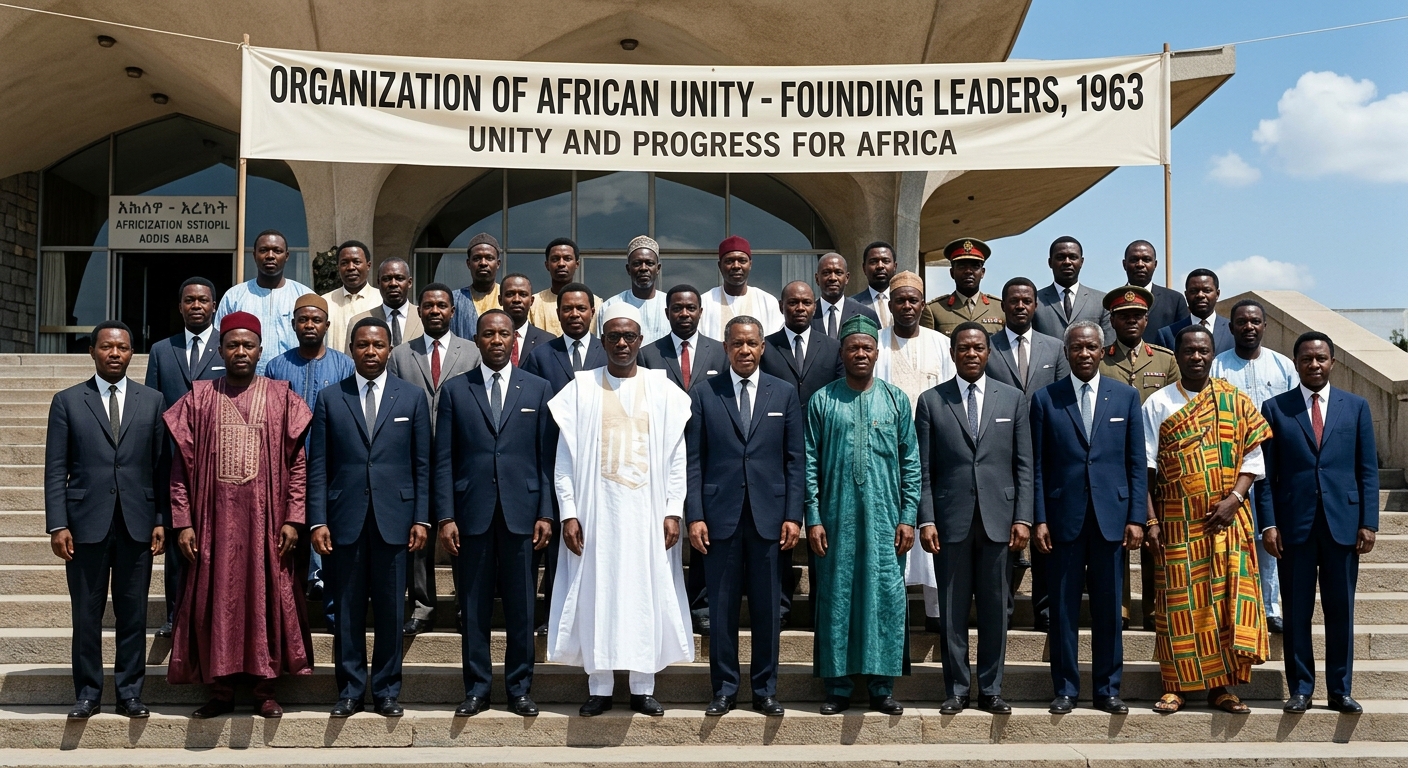
Formation of the Organisation of African Unity (OAU) in 1963
Successes of the OAU, including the fight against Apartheid
Transition to the African Union (AU) in 2002
Tanzania’s pivotal role in the OAU Liberation Committee
1.6 Pan-Africanism Since the 1960s
Economic liberation and regional integration (AfCFTA, EAC, SADC, ECOWAS)
Peace and security initiatives (AMISOM, UNAMID)
Cultural movements: Négritude and African Nobel laureates
Real example: The East African Community (EAC) in action
✨ Key Features
Concise Summaries — A dedicated summary section covering all 10 key points at a glance
Real Examples from Tanzania — Connects continental history to local context for better understanding
Detailed Tables — Includes a clear breakdown of the distribution of African slaves in the New World
Visual Learning — Features a map of the Triangular Trade for visual comprehension
Revision Questions — End-of-topic questions to test and reinforce understanding
📝 Comprehensive Assessment Section
Section A: Multiple Choice Questions (10 Questions)
Covers definitions, key figures, dates, and essential facts
Section B: Structured Questions (10 Questions)
Each worth 4 marks — includes questions on social problems of African-Americans, Manchester Conference resolutions, reasons for European preference for African labour, and more
Section C: Essay Questions (10 Questions)
Each worth 20 marks — covering the historical development of Pan-Africanism, the Back-to-Africa Movement, the role of the African diaspora, the Manchester Conference’s impact, Nkrumah’s statement on Ghana’s independence, and the relevance of Pan-Africanism in the 21st century
🎯 Who This Guide Is For
Form Five and Form Six History students preparing for national examinations
Teachers seeking a well-organized reference and teaching resource
Anyone interested in understanding Africa’s political and historical journey toward unity
Students preparing for regional and international examinations on African history
⭐ Why Choose This Guide
✅ Curriculum-Aligned — Follows the official History syllabus structure
✅ Exam-Focused — Revision questions and essay practice mirror real examination formats
✅ Clear and Concise — Complex historical concepts explained in simple, accessible language
✅ Comprehensive Coverage — From the 15th-century slave trade to the 21st-century African Union
✅ Practical Examples — Tanzanian and regional examples bring the content to life
Order your copy today and take control of your success!
MITIHANI POPOTE — Quality educational resources wherever you are.



Reviews
There are no reviews yet.