
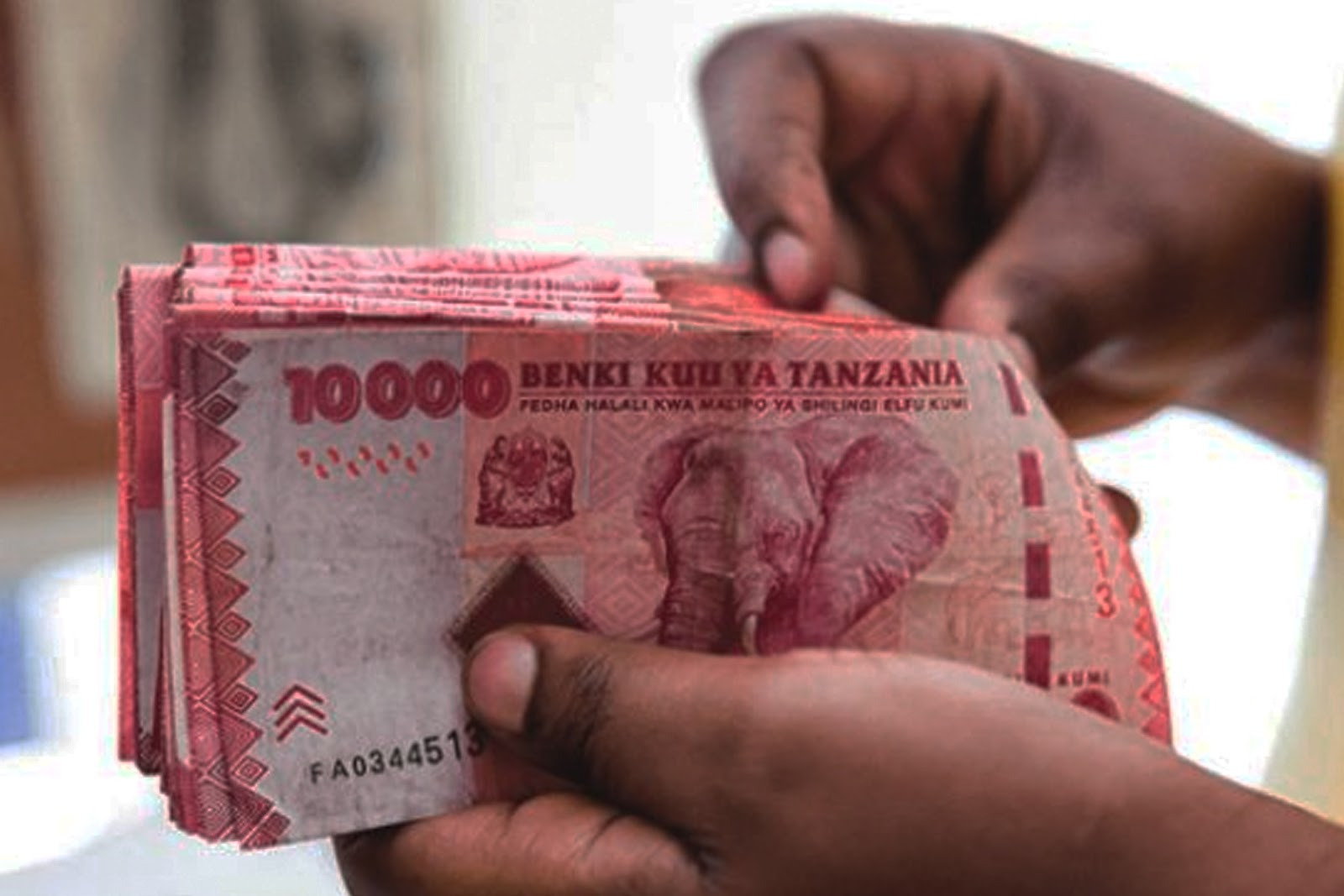
Description
TAXES AND LEVIES FOR MEDIUM-SIZED BUSINESSES – BUSINESS STUDIES F6
Chapter Five: Taxes and Levies for Medium-Sized Businesses
Form 6 Business Studies Notes | Comprehensive & Exam-Focused
📘 OVERVIEW
This comprehensive set of notes covers Taxes and Levies for Medium-Sized Businesses – a core topic in Form 6 Business Studies. It is carefully structured to help students understand the tax system in Tanzania, Value Added Tax (VAT), limitations of taxation, and the various levies applicable to medium-sized businesses.
✨ WHAT THIS DOCUMENT COVERS
1. Introduction to Taxes and Levies
Importance of taxes and levies as government revenue
Role of medium-sized businesses in the economy
Key competencies: identifying, explaining, and applying knowledge of taxes and levies
2. Tax System in Tanzania
Taxes: Income tax, VAT, Import duty, Excise duty, Stamp duty
Tax Administration:
TRA (Tanzania Revenue Authority)
ZRA (Zanzibar Revenue Authority)
TRA Structure (Domestic Revenue, Customs and Excise, Large Taxpayers)
Tax Assessment and Payment: Self-assessment approach, quarterly payments, withholding tax regime (PAYE, rental, interest, dividends, non-residents), VAT monthly
Types of Taxes:
Income Tax (no tax liability up to TZS 270,000)
Value-Added Tax (VAT)
Excise Duty (luxuries, harmful goods)
Customs Duty (imports/exports)
Stamp Duty (share capital, transfers, mortgages, property transfers)
Share of Tax Revenue by Type (2020/2021): VAT (domestic) 14.8%, VAT (imports) 14.5%, Income tax (PAYE) 12.3%, etc.
3. Tariffs in Tanzania
Definition: Tax on goods upon importation or exportation
Key Features: Collected at entry points, easy to collect, low cost, difficult with many entry points/corruption/weak laws
Forms of Tariffs: Ad-valorem, Specific, Protective, Prohibitive
4. Value Added Tax (VAT)
Definition: Tax on the value added to goods and services at each stage of production and distribution
Key Features: Indirect tax, wide coverage, levied on imports, registered traders collect and remit to TRA, consumer ultimately pays
Historical Background: VAT Act of 1997, began 1st July 1997, rate reduced from 20% to 18% in 2009, exemptions in 2014
How VAT Works: Output Tax – Input Tax = VAT Payable/Refundable
5.4.1 Registration for VAT: Taxable person making taxable supplies, holding business licence
5.4.2 Types of VAT Registration: Normal, Voluntary, Branch, Divisional
5.4.3 VAT Certificate of Registration: TIN, VRN, effective date, business location
5.4.4 Deregistration for VAT: Authority of Commissioner General, required information
5.4.5 Scope of Chargeability: Goods, services, immovable property, economic activity
5.4.6 Types of Supplies Under VAT: (Table of examples)
5.4.7 Advantages of VAT: Revenue provision, revenue security, claims for VAT on purchases, administrative advantages, promotes exports
5.4.8 Disadvantages of VAT: Regressive in nature, encourages inflation
5.4.9 VAT Computation: Step-by-step example (Forester → Timber Merchant → Furniture Manufacturer → Deluxe Furniture Centre)
Total VAT borne by final consumer = TShs 450,000
5. Limitations of Taxation
Limitation on saving ability
Limitation on the desire to work
Limitation on enterprise
Limitation of inflation
Shift of economic activity from heavily taxed to lightly taxed activities
6. Levies for Medium-Sized Businesses
5.6.1 Local Government Taxes and Levies: Property tax, Local service levy, Produce cess, Other fees
5.6.2 Stamp Duty: Land/building transfers (1%), Share transfers (1%), Lease agreements (~1%), Mortgages, Other instruments
5.6.3 Payroll Taxes and Social Contributions: SDL (3.5%), WCF (0.5%), NSSF/PSSSF (10% employer + 10% employee = 20%)
5.6.4 Other Taxes and Fees: Stamp duty on financial transactions
5.6.5 Key Compliance Points: Due dates (7th of each month), online systems, TRA integration
7. Chapter Summary
5 concise summary points for quick recall
8. Revision Exercise (Key Questions)
Q1–Q11 with practical scenarios and case studies (transport company, agro-processing business, wheat to bread scenario)
9. Skills Lab Activity
Analyse a case study of a medium-sized business, identify applicable taxes and levies, role-play as business owners and tax consultants
10. Project Activity
Search for taxes and levies paid by medium-sized businesses and write a brief report
11. Glossary (Chapter Five Terms)
Tax compliance, NSSF, WCF, VAT, Input Tax, Output Tax, Ad-valorem tariff, Specific tariff, Protective tariff, Prohibitive tariff, Stamp duty, SDL
🎯 WHY THIS RESOURCE IS PERFECT FOR YOU
✅ Well-Organised – Content is broken down into clear, digestible sections
✅ Exam-Focused – Includes revision exercises, practical scenarios, and VAT computation examples
✅ Comprehensive – Covers the tax system, tariffs, VAT, limitations of taxation, and levies for medium-sized businesses
✅ Student-Friendly – Simple language with detailed explanations and real-life Tanzanian examples
✅ Revision-Ready – Summary points, glossary, and practice questions for self-testing
✅ Teacher-Approved – Ideal for classroom use, homework, and exam preparation
📚 WHO IS THIS FOR?
Form 6 Students studying Business Studies
Teachers preparing lesson notes and assessments
Parents supporting their children’s learning
Anyone interested in taxation, tax compliance, and business finance in Tanzania
🛒 GET YOUR COPY TODAY!
This is a must-have resource for anyone serious about mastering Form 6 Business Studies. Whether you’re revising for exams or teaching in class, these notes will save you time and help you achieve excellent results.
MITIHANI POPOTE — Quality educational resources wherever you are.



Reviews
There are no reviews yet.